A strong safety culture in the garment decoration and apparel printing industry means safety is built into daily production, not treated like a rulebook nobody opens until something goes wrong. For screen printing, DTF printing, DTG printing, embroidery, heat pressing, fulfillment, and shipping teams, safety should feel as normal as checking artwork placement, garment counts, ink colors, thread colors, and production deadlines.
The goal is simple: protect your people, prevent downtime, and keep orders moving.
Key Points:
- A strong safety culture starts with leadership, training, and daily habits.
- Print shop safety should be built into every workflow, from artwork prep to fulfillment.
- The best safety programs focus on preventing hazards before they become injuries.

Strong Safety Culture Is Production Quality Control For Your People
In apparel printing, nobody wants to discover a bad setup after 300 shirts are already printed. That is why shops check artwork, registration, pretreatment, curing temperature, thread tension, and decoration placement before production takes off.
Safety works the same way.
A strong print shop safety culture catches problems early. It does not wait for a burn, chemical exposure, needle injury, slip, trip, or machine accident before making changes.
Think of safety like registration on a screen printing press. One small issue may not seem like much at first. But once production starts, that small issue can spread across the entire job. In the same way, one unlabeled chemical bottle, blocked walkway, damaged cord, missing machine guard, or rushed cleanup process can turn into a bigger problem fast.
Shop owners and managers set the tone. If leadership treats safety as optional when the schedule gets busy, the team will do the same. If leadership treats safety as part of professional production, employees are more likely to slow down, speak up, and fix hazards before they cause damage.
Start By Identifying Real Hazards In Your Shop
The first step to building a strong safety culture is knowing where the risks are. Every decoration method has its own safety concerns, so a generic checklist is not enough.
In screen printing, hazards can include reclaim chemicals, ink mixing, press movement, flash dryers, conveyor dryers, repetitive squeegee motion, heavy screens, slippery floors, and poor ventilation.
In DTF printing, safety concerns may include adhesive powder handling, curing fumes, heat presses, hot film, equipment maintenance, and powder cleanup.
In DTG printing, shops should pay attention to pretreatment handling, printer maintenance, curing equipment, chemical storage, and ventilation.
In embroidery, risks can include needles, moving machine parts, thread trimming, repetitive hand movement, awkward posture, and machine maintenance.
In fulfillment and shipping, common hazards include lifting boxes, pallet movement, cluttered walkways, stacked inventory, box cutters, ladders, and packing station ergonomics.
This is where safety becomes practical. Walk through your shop by process. Look at how work actually happens, not how it is supposed to happen on paper. Watch the rush jobs, the messy corners, the end-of-day cleanup, and the busy-season shortcuts. That is where hidden hazards usually show up.
Build Safety Into The Daily Workflow
A strong safety culture is not created by one annual meeting. It is built through small habits repeated every day.
Start with simple production-based safety checks. Before the shift begins, ask:
Are walkways clear? Are chemicals labeled? Is PPE available? Are cords, heat presses, dryers, embroidery machines, and printers in safe working condition? Are exits clear? Does the team know what jobs are running today and which processes require extra care?
These checks do not need to be complicated. They just need to happen consistently.
A good rule for workplace safety in print shops is this: if it matters enough to protect the order, it matters enough to protect the team.
You already check blank garment counts before production. Add a quick safety check before production.
You already check artwork before printing. Check chemical labels before use.
You already check curing temperature before sending garments out the door. Check ventilation before running processes that create fumes, vapors, or airborne particles.
You already check thread color before embroidery. Check needles, guards, and machine setup before the run starts.
Safety should not feel separate from production. It should be part of how production is done.
Train By Process, Not Just By Policy
Generic safety training is easy to ignore. Process-specific training is easier to remember because it connects directly to the work employees do every day.
A screen printer needs to understand chemical handling, SDS information, PPE, ventilation, press movement, flash dryer safety, screen reclaim procedures, and ergonomic squeegee technique.
A DTF operator needs to understand powder handling, curing, heat safety, ventilation, cleanup, and equipment maintenance.
A DTG operator needs to understand pretreatment safety, printer maintenance, curing equipment, and proper storage of liquids and chemicals.
An embroidery operator needs to understand needle safety, machine stoppage, hooping ergonomics, trimming, and safe maintenance procedures.
A fulfillment employee needs to understand lifting, cutting, stacking, packing stations, carts, pallet jacks, and clean walkways.
Training should also happen when something changes. If you add a new DTF printer, powder shaker, dryer, pretreatment machine, embroidery machine, ink system, adhesive, cleaner, or workflow, update the training before the team starts using it.
This is the same mindset as adding a new decoration method. You would not train someone on embroidery and assume they are ready to run DTF. Safety training should be just as specific.
Make It Easy For Employees To Speak Up
A strong safety culture depends on worker participation. The people closest to the job often notice problems first.
Your press operator may spot a loose cord before management does. Your embroidery operator may hear a machine making a strange noise. Your fulfillment team may notice that boxes are always blocking the same walkway. Your DTF operator may know when powder cleanup is becoming messy or inconsistent.
The question is whether they feel comfortable saying something.
Employees should be encouraged to report hazards, near misses, damaged equipment, missing labels, chemical concerns, blocked exits, and unsafe shortcuts without fear of being blamed.
A near miss should not be treated like an annoyance. It should be treated like free information. It gives the shop a chance to fix a problem before someone gets hurt.
For example, if someone slips near the reclaim area but catches themselves, that is not “nothing happened.” That is a warning. A strong safety culture asks why it happened, fixes the cause, and prevents the next person from falling.
Use PPE, But Do Not Rely On PPE Alone
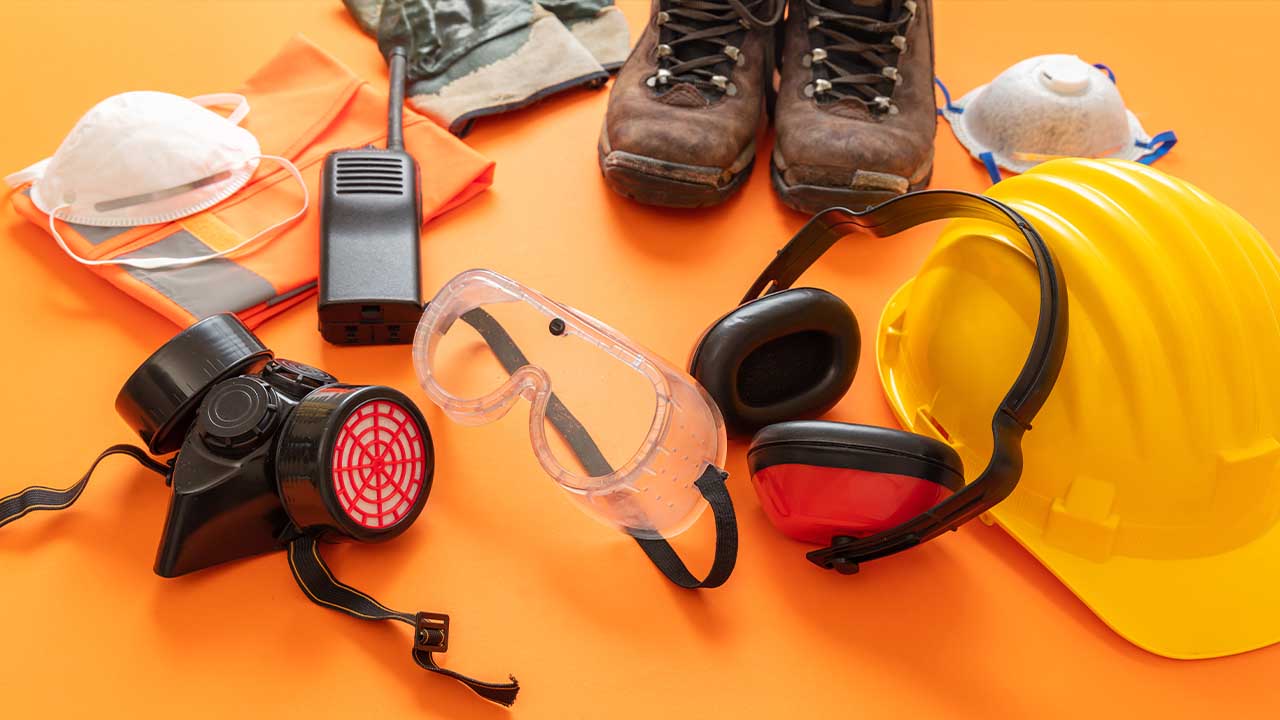
Personal protective equipment (PPE) is important, but it should not be the only safety strategy in your shop. Gloves, goggles, respirators, aprons, and protective gear help reduce risk, but stronger safety systems try to control hazards earlier.
For example, if a screen reclaim area has strong chemicals, the answer is not just “wear gloves.” The shop should also look at ventilation, chemical labeling, SDS access, employee training, storage, spill response, and whether less hazardous alternatives are available.
If a DTF area has powder exposure concerns, PPE may be part of the solution, but the shop should also review cleanup procedures, airflow, equipment setup, and how powder is handled.
If employees are constantly lifting heavy boxes, back belts are not the full solution. The shop should look at shelving height, carts, team lifts, workflow layout, and how inventory is staged.
PPE should be the backup layer, not the whole plan.
Keep The Shop Clean, Clear, And Organized
Housekeeping is one of the simplest ways to improve print shop safety. It also improves production speed.
A cluttered shop creates trip hazards, slows movement, hides problems, and makes rush orders more stressful. A clean shop makes it easier to move garments, stage jobs, operate equipment, find supplies, and spot hazards early.
Focus on high-risk areas first:
- Around heat presses, flash dryers, and conveyor dryers
- Near screen reclaim and chemical storage
- Around embroidery machines and cords
- In DTF powder and curing areas
- Near packing stations and shipping zones
- Around exits, walkways, and high-traffic paths
The goal is not to make the shop look perfect for a photo. The goal is to make the shop easier and safer to work in.
A clean production floor is like a clean art file. It reduces confusion, prevents mistakes, and makes the final result better.
Measure Safety Like You Measure Production
Print shops already track important numbers: order volume, turnaround time, spoilage, reprints, production capacity, and profit margins. Safety should be tracked too.
Track things like:
- Near misses
- Injuries
- Hazards reported
- Hazards fixed
- Training completed
- Equipment issues
- Chemical labeling checks
- PPE availability
- Walkway and housekeeping problems
Review the patterns. If the same problem keeps happening near the shipping area, the issue may be layout. If employees keep skipping PPE, the issue may be training, comfort, availability, or unclear expectations. If chemical labels keep going missing, the shop may need a better storage and transfer process.
Safety data should not be used to blame employees. It should be used to improve the system.
That is how strong shops operate. When misprints happen, good teams look for the root cause. They check artwork, screens, ink, pressure, curing, or communication. Safety deserves the same level of attention.

How DecoNetwork Helps Support Strong Safety Culture In Print Shops
A strong safety culture is easier to maintain when your shop is organized. DecoNetwork helps garment decoration businesses manage quotes, orders, production workflows, online stores, artwork approvals, supplier catalogs, and customer communication in one system, reducing the chaos that often leads to rushed decisions on the production floor.
When jobs are scattered across spreadsheets, emails, sticky notes, and disconnected apps, details get missed. That can create bottlenecks, last-minute scrambling, cluttered workstations, and unnecessary pressure on your team. DecoNetwork helps print shops keep order details, decoration methods, production status, and customer approvals connected, so the team has a clearer view of what needs to happen next.
While safety starts with training, leadership, and smart shop-floor habits, better workflow management supports that culture. A more organized print shop gives employees the time, visibility, and structure they need to work carefully, communicate clearly, and keep production moving without turning every order into a fire drill.
The Takeaway: Strong Safety Culture Keeps Production Moving
Building a strong safety culture in the garment decoration and apparel printing industry is not about adding more paperwork for the sake of paperwork. It is about creating a shop where safety is part of the production rhythm.
The takeaway is simple: treat safety like quality control.
Check it early. Build it into every workflow. Train by process. Listen to employees. Keep the shop clean. Control hazards before relying on PPE. Track problems before they repeat. Fix small issues before they become expensive ones.
A safe print shop is not slower. A safe print shop is more consistent, more professional, and better prepared to grow.
Safety protects your people. It protects your equipment. It protects your turnaround times. And it protects the business you are working so hard to build.